Clear answers about NMN, NAD+ support, healthy aging formulas, serving amounts, quality records, and official buying channels. Read the answers below or use the topic links to find your question.
Choosing & comparing formulas
Compare the label, formula structure, and format.
What benefits are NMN and NAD+ precursors studied for?
Human studies have examined NAD+-related biomarkers and selected metabolic measures under specific study conditions. Some have reported changes in those measured outcomes, but this does not establish that every product improves everyday energy, memory, skin appearance, or lifespan. NMN, NR, and direct NAD+ are different ingredients; evidence for one should not be transferred to another or to an untested blend. Read the population, duration, and endpoints before judging a claim. [4][5]
How are NMN and NAD+ supplements different?
NMN is a NAD+ precursor; a product containing NAD+ itself lists a different ingredient. Some formulas named for NAD+ support instead contain precursor blends. Check the actual actives before comparing products. The NAD+ 15000 capsule information provides a direct-NAD+ example, while the NAD+ SUSTAIN development report explains an NR-centered formula. Those approaches are not identical and do not establish universal superiority.
How should I compare NMN18000 and NMN45000?
Current product information describes NMN18000 as a multi-ingredient formula with 600 mg NMN per two-capsule serving, and NMN45000 as a single-active formula with 1,000 mg NMN per two-capsule serving. The bottle numbers refer to total NMN, not one daily serving. Compare both the amount and the additional actives. A higher amount is not automatically more appropriate; use the comparison below and the current physical label.
Should I choose NAD+ capsules or liquid drops?
Choose a format that fits the product's directions and your routine. Capsules offer a defined unit; drops need to be measured as instructed. Compare ingredient form, amount per serving, number of servings, storage, and the measuring method. A liquid is not automatically faster or better absorbed. The NAD+ drops product information should be read before deciding how that specific format is used.
Does “liposomal” prove that a product absorbs better?
No. It describes a delivery approach, not a guaranteed result. Meaningful absorption comparisons need evidence for the particular formulation, method, dose, and comparison product. Look for a relevant study rather than assuming a multiplier applies to all liposomal products. Also check the complete ingredient list and directions; the delivery term does not replace that information.
Why do some formulas combine several ingredients?
Ingredients may be selected for complementary roles, but a longer list does not make a formula better. Review the amount of each active, its stated purpose, and any overlap with products you already use. Single-active formulas offer a different comparison point from blends. A useful development report explains the choices without treating every ingredient as if it produces the same outcome.
How do I choose my first AIDEVI supplement?
Start by defining the question you want to answer: an NMN-only versus blended formula, a NAD+ precursor approach, an antioxidant focus, or a particular format. Then compare the complete labels within that group. Our healthy aging collection is a place to review the current range. Choosing by goal is a research starting point, not an individualized recommendation to take a particular product.
What if antioxidant wellness is my main interest?
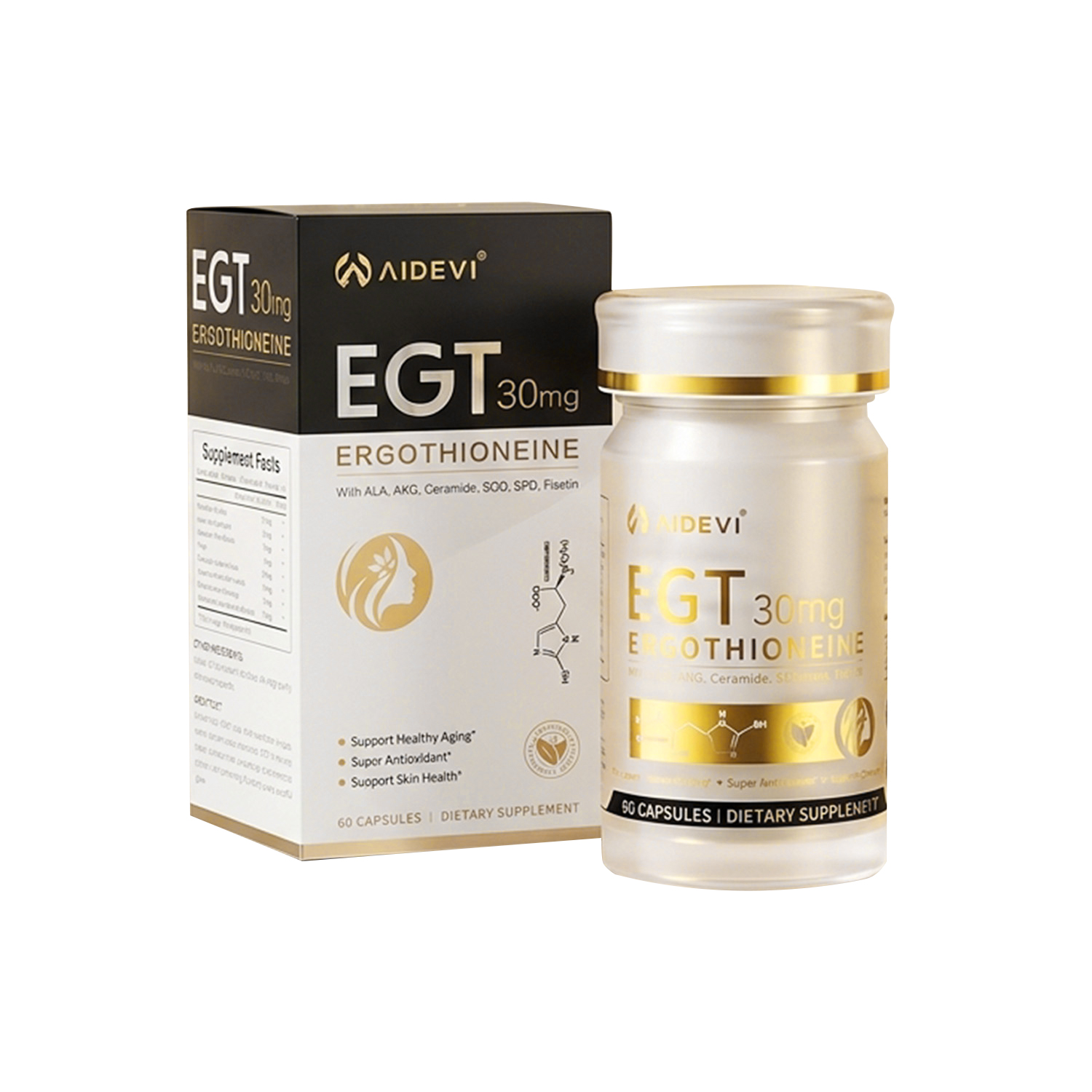
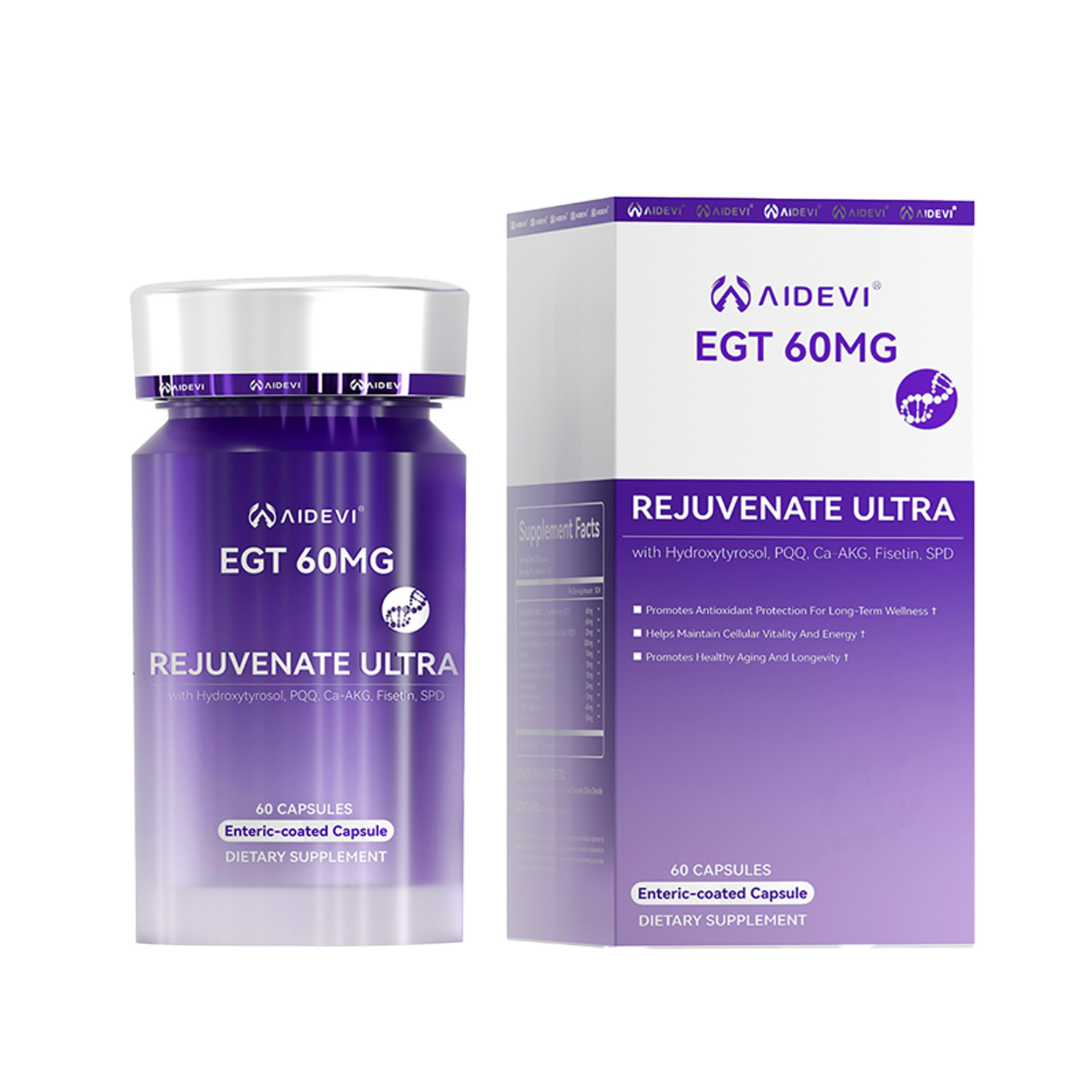
You can compare antioxidant-focused formulas without assuming that every wellness goal requires NMN or NAD+. The EGT 60MG product details and EGT & PQQ liquid product information show different formats and ingredient combinations. Review the full formula, not only EGT or PQQ in the name, because accompanying ingredients may change suitability. The EGT 60MG development report adds product-specific formulation and research context.
How do I compare value beyond the bottle price?
Divide the current bottle price by the labeled number of servings to compare cost per serving. Then compare ingredient amounts, other actives, format, and available quality records. A larger bottle may last longer without being the best match for your needs. Cost per milligram alone also misses differences between a single-active formula and a blend. Use current prices and labels rather than assuming the product name measures value.
Packaging example from the official NMN18000 product page. Read your own current physical label before use.
Per capsule, per serving, and per bottle describe different quantities. For NMN18000, the current product page states 300 mg NMN per capsule. Two capsules make one 600 mg serving. Sixty capsules give 30 servings and 18,000 mg total NMN in the bottle.
Understand the document and the product before use.
How should I read a dietary supplement label?
Read the serving size first, then the ingredient amounts per serving and servings per container. Check the Other Ingredients list, warnings, directions, and storage information. A front-label number can describe total bottle content rather than one serving. Match the product and formulation you are comparing to the packaging you actually received. [1]
What quality information should I look for?
Look for clear product identity, lot information, and records that match the question you are asking. A facility certificate concerns manufacturing scope; an ingredient report concerns the named material; a finished-product report concerns the identified product and sample. Our lab reports and manufacturing standards organize available documentation. Ask for relevant records using your product name and lot number rather than assuming one report covers every bottle.
What is the difference between cGMP and a COA?
cGMP refers to requirements for manufacturing and related controls. A Certificate of Analysis summarizes specified test results for an identified sample or lot. Neither is a guarantee of a personal wellness outcome. Review certification scope and the report’s subject, date, test items, and results. The manufacturing overview explains the production context; the document guide below explains how to read a sample report. [1]
Are AIDEVI dietary supplements FDA approved?
No: FDA does not approve dietary supplements for safety and effectiveness before marketing as it does with prescription medicines. FDA facility registration is also not product approval or endorsement. Evaluate the label, manufacturing information, and applicable documentation separately. An “FDA-approved supplement” claim would misrepresent this distinction. [1]
Can I take several supplements together?
Compatibility depends on the complete formulas, amounts, medicines, and your health situation. Check for duplicated actives, vitamins, or minerals across products. Bring the full labels and a list of what you take to a pharmacist or healthcare professional. Adding more products can increase exposure and interaction risks; it does not necessarily add useful support. [2]
When should I speak with a healthcare professional?
Ask before starting or changing supplements if you are pregnant, nursing, taking medicines, managing a medical condition, preparing for surgery, or considering a product for a child. Share the actual labels rather than only the ingredient names. Advice should consider your circumstances; a general website answer cannot establish that a formula is appropriate for you. [2]
Are all AIDEVI supplements vegan or free of allergens?
Do not assume a dietary claim applies to the entire brand. Review the specific product’s active ingredients, capsule material, Other Ingredients list, and allergen information. Formulas can include different sources or formats. If you have an allergy or strict dietary requirement and the label is unclear, obtain clarification before use. An unclear statement should not be treated as confirmation.
What should I do if I experience an unwanted reaction?
Stop using the product and seek medical care or advice. For severe symptoms, obtain urgent medical help. Keep the packaging, product name, lot number, and details of what you took. FDA provides guidance on reporting suspected adverse events. You can also notify the AIDEVI support team so the experience and relevant product information can be documented. [3]
A COA is meaningful only in relation to its named sample and testing scope. Start at the top of the report and work through the identity fields before looking at a result. A document issued by a manufacturer should not automatically be described as independent third-party testing.
Product or material: Does the named subject match what you are checking?
Lot and dates: Is the batch identified, and when was the report issued?
Issuer and method: Who issued the record, and how were the listed parameters assessed?
Test items and specifications: What was tested, and which limit or specification was used?
Results and scope: Do the reported results address your question? Unlisted tests cannot be inferred.
Use our lab reports and manufacturing standards to review available records. For documentation connected to your purchase, provide the product name and lot number to support. A sample report or certification image cannot establish that every AIDEVI product has the same testing coverage.
Directions, storage & expectations
Use the product you have, according to its own label.
How much NMN or NAD+ support should I take?
Use the directions for the exact product and discuss suitability with a healthcare professional when needed. A labeled serving is not a universal personal recommendation, and a dose used in a study is not automatically appropriate for every user or formula. Check whether the amount is stated per capsule, per serving, or per bottle. Do not increase the serving merely because a higher-amount option exists.
When should I take a healthy aging supplement?
Follow the directions for the exact formula first. Capsule, liquid, and multi-ingredient products can have different instructions about timing, food, measuring, or use after opening. Do not apply one product’s schedule to the entire range. If you need individualized timing advice or your label conflicts with another instruction, ask a pharmacist or healthcare professional before changing how you use it.
What if I miss a serving?
Check the product instructions for missed-use guidance. Do not assume that doubling the next serving is appropriate. If the label does not explain what to do, ask your pharmacist, healthcare professional, or the product support team. Keep your routine within the labeled directions rather than trying to compensate with extra amounts.
How should I store capsules, drops, or liquid products?
Use the storage directions on your packaging, including any instructions for use after opening. Keep the closure secure and observe the stated temperature, light, or moisture conditions. Check the expiry date. Single-use liquids and multi-use drop bottles may have different requirements; do not assume all liquids need refrigeration or can be stored in the same way.
How long does it take to notice a difference?
There is no timeline that applies to every ingredient, formula, or person, and a noticeable effect is not guaranteed. When considering research, check the participants, duration, endpoints, and study design. Track whether you follow the directions and tolerate the product; do not increase the serving to chase a faster result. Persistent symptoms should be discussed with a healthcare professional.
They are dietary supplements used to complement nutrition and wellness routines as people age. Formulas may focus on particular ingredients or goals, such as NAD+ pathways, antioxidant wellness, or everyday nutrition. Healthy aging is a broad aim, not proof of a specific product effect. Start with the ingredient, amount per serving, directions, and your own health context.
What does “anti-aging supplement” mean?
It is a common description for products marketed around aging and wellness. The term alone tells you little about the actual formula or its evidence. Look for clear ingredient names, measured serving amounts, and a specific explanation of the intended wellness role. A supplement should not be presented as a way to guarantee younger-looking skin, reverse aging, or replace appropriate care.
What is NMN?
NMN stands for nicotinamide mononucleotide, a compound involved in pathways that produce NAD+. Supplement comparisons should consider the exact formula rather than NMN as a category alone: ingredient amounts, other actives, capsule count, and quality information can differ. A NAD+-related biological role does not establish that every NMN product produces the same benefit or personal experience.
What is NAD+ and why is it discussed in wellness?
NAD+ is nicotinamide adenine dinucleotide, a coenzyme involved in normal cellular metabolism. “NAD+ support” can describe different formulations: some list NAD+ itself, while others use precursors such as NMN or NR. Check the Supplement Facts panel to identify what the product actually contains. The category name does not establish absorption, a noticeable energy effect, or a longevity outcome.
How is NR different from NMN?
NR means nicotinamide riboside. NR and NMN are different compounds discussed in NAD+ precursor research; they should not be treated as interchangeable ingredient names or doses. NR also comes in different material forms. Our NR Malate ingredient profile explains ingredient identity, formulation considerations, and evidence boundaries. Compare the exact form and product label instead of assuming one category is universally better.
What are ergothioneine and PQQ?
Ergothioneine, or EGT, is studied in antioxidant biology. PQQ, short for pyrroloquinoline quinone, appears in research concerning cellular redox and mitochondrial biology. They are different ingredients and do not replace one another by name or dose. Explore our ergothioneine ingredient profile and PQQ ingredient profile for the research context, then check the amount and formulation on a specific product label.
Can a supplement reverse aging or guarantee results?
No such guarantee should be inferred from the phrase “healthy aging” or an ingredient mechanism. A change in a laboratory measurement is different from an established clinical benefit, and a short study is different from long-term evidence. Product findings are limited to what was actually measured. Our product development archive separates formulation reasoning, reported study observations, and limitations.
Find the appropriate channel for an order or product question.
Where can I buy AIDEVI through an official channel?
Use the official AIDEVI store linked from the main AIDEVI website. Regional ordering options can differ. If you are considering a distributor or seller and want to check its relationship with AIDEVI, ask our team before purchasing. The About AIDEVI page explains our brand background and focus; it does not replace seller or product verification.
Can a photo, QR code, or lot number prove authenticity?
Those details can support an inquiry, but none should be treated as definitive proof by itself. Preserve the purchase source, receipt, packaging, and lot details. If something is unclear, ask AIDEVI to review the available information. A photograph or code alone cannot establish that the contents match the current formula or the named production lot.
Where should I check delivery, tracking, and returns?
Confirm destination eligibility, charges, and the delivery estimate at checkout. Use the official order-tracking page for an existing order, and read the current returns policy before requesting a return. Conditions can depend on the order, destination, item condition, and purchase channel. Contact support for an order-specific answer instead of assuming a general shipping or refund promise applies.
What information should I send with a product or order question?
Provide the product name, purchase source, lot number, and a clear description. For an order issue, include the order number; for a label or packaging question, include relevant photos. Send these through the AIDEVI support team. Product support can help locate information and review an issue, while medical suitability and symptom questions belong with a qualified healthcare professional.
General label, regulatory, and safety answers draw on the public resources below. Product comparisons link to the relevant AIDEVI pages. These sources do not constitute endorsement of AIDEVI.
This FAQ is for general education and is not individualized medical advice. These statements have not been evaluated by the Food and Drug Administration. AIDEVI dietary supplements are not intended to diagnose, treat, cure, or prevent any disease. Individual results may vary. Follow the current physical label and consult a qualified healthcare professional for advice based on your own health needs.